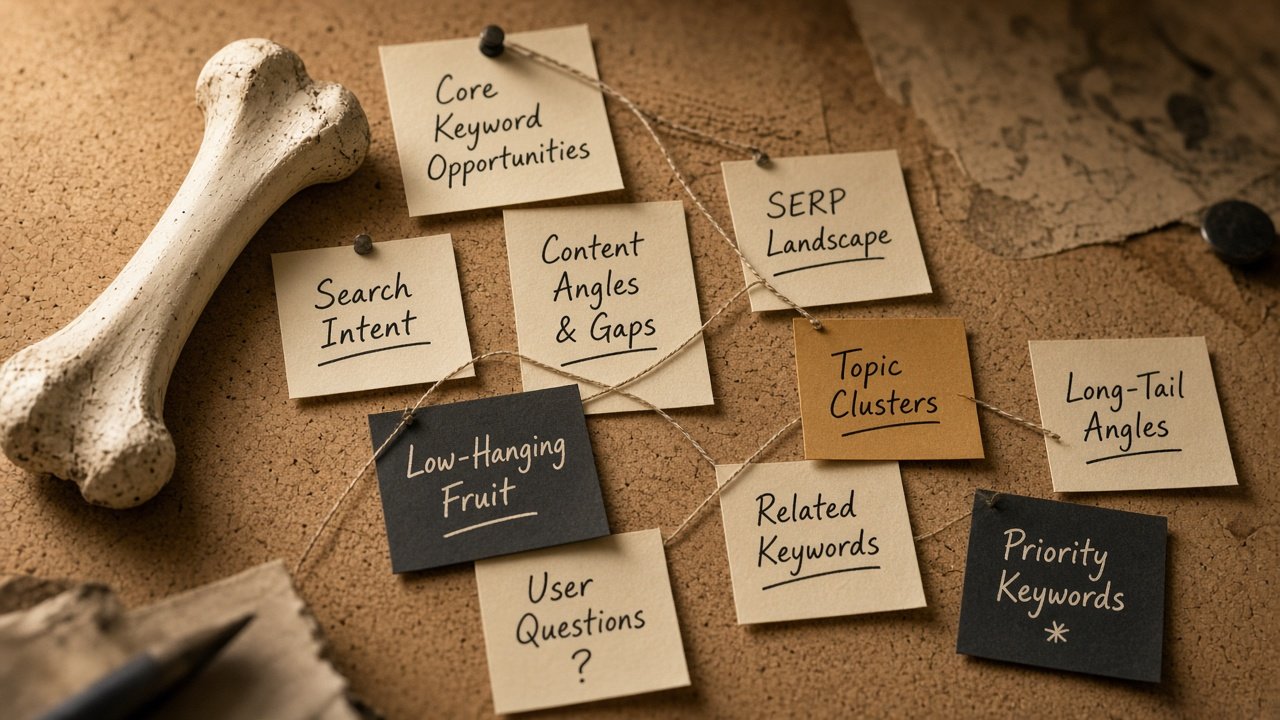
Blog content without strategy becomes a publishing habit. Blog content with strategy becomes a digital marketing channel: organic demand, sales enablement, and proof for paid campaigns.
Define outcomes before topics
Pick two or three outcomes:
- Pipeline influence
- Product education
- Category authority
Every content writing brief should name which outcome it serves. If it serves none, it is a distraction — even if the keyword volume looks tempting.
Pillars first, posts second
A pillar is a comprehensive guide (like the SEO writing guide). Clusters answer narrower questions and link upward.
This structure helps Search Engine Optimization and helps readers self-navigate. Start cluster ideas with keyword research, not with a blank calendar.
Cadence that humans can keep
Consistency beats heroics. A sustainable default for most teams:
- 1 pillar per quarter
- 2–4 cluster posts per month
- 1 refresh of a decaying URL every month
Blog writing quality collapses when the calendar demands volume the team cannot edit.
Align blog and campaigns
When digital marketing launches a campaign, the blog should already hold the educational layer. Ads and emails then send traffic to pages that explain — not pages that shout.
Pair those destinations with strong website copywriting.
A blog is not a diary. It is inventory for attention you already paid to acquire.
Measure what editorial can control
Track:
- Rankings for target clusters
- Assisted conversions / inquiry quality
- Scroll depth and time on page
- Internal-link clicks to service pages
Vanity pageviews without intent match are not a strategy win.
30 / 60 / 90 day rollout
Days 1–30 — audit existing posts, map pillars, kill or merge thin pages
Days 31–60 — publish the first pillar + three clusters; wire internal links
Days 61–90 — refresh two older URLs; align one campaign landing page with blog proof
Operational checklist
- Shared messaging doc between SEO, content, and brand
- Keyword research logged per brief
- Internal link targets assigned before draft
- Update queue for posts older than six months
- Owner for each pillar (so nothing orphans)